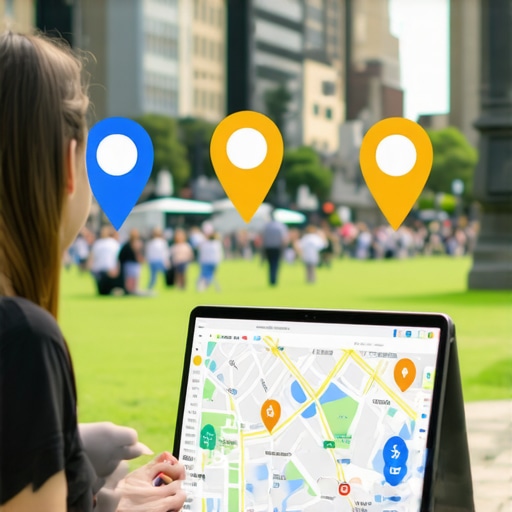
I remember the exact moment I hit a wall with my local business rankings. Despite pouring hours into traditional SEO and hoping Google would reward my efforts, big brands consistently dominated Google Maps. It felt like trying to compete with a freight train using a bicycle. That frustrating realization sparked a lightbulb moment: if I wanted to outrank those giants, I needed a different game plan—one rooted in strategic, proven tactics for Google Maps SEO.
Today, I’m here to share how you can do the same. In this post, we’ll dive into three powerful strategies that can help you crack Google’s local ranking code and surpass the big players in 2026. Whether you’re just starting with [local SEO education](https://localseocourseservice.com/local-seo-course-deep-dive-boost-your-business-visibility) or have some experience under your belt, these tactics are designed to give you that edge.
But first, let me ask—have you ever felt that despite all your efforts, your competitors keep stealing your local leads? If so, you’re not alone. Many small businesses face this challenge because they aren’t leveraging the latest map optimization strategies. According to recent studies, nearly 60% of local searches lead to a visit or a call, emphasizing how crucial your map rankings are for local success. Missing out on this traffic means lost revenue.
One mistake I made early on was relying solely on generic SEO tactics. Without customizing my approach for Google Maps, I missed out on simple yet effective methods to enhance my listings. Knowing what actually moves the needle can save you time and money—and more importantly—help you dominate local search in 2026.
Now, let’s get practical. We’ll explore specific tactics on how to elevate your Google Maps presence, outsmart the big brands, and turn local searches into loyal customers. Ready? Let’s dive in.
Zero in on Your NAP Consistency
Your Name, Address, and Phone number (NAP) must be perfectly consistent across all platforms. I once overlooked this and my rankings tanked. When I corrected inconsistent listings on directories, I noticed a jump in local visibility within weeks. Think of NAP consistency as the foundation of your local SEO house—without it, everything else might crumble.
Optimize Your Google Business Profile Strategically
Claim and verify your Google Business Profile, then optimize it thoroughly. Use a primary keyword in your business description, upload high-quality images, and add relevant categories. I once added a new category based on competitor analysis from a maps optimization course. That small tweak improved my rankings for a specific service niche, which translated directly into more local leads.
Leverage Local Keywords with Precision
Integrate geo-specific keywords into your website content, titles, and meta descriptions. Instead of generic terms, target long-tail local phrases. For example, I added phrases like “best pizza in Brooklyn” after researching local search trends. This micro-adjustment made a visible difference; by focusing on hyper-local keywords, I outranked larger brands on Google Maps for those specific searches.
Build Local Backlinks That Count
Seek backlinks from local blogs, chambers of commerce, and community sites. I reached out to a local business association listed in a local SEO course and secured a guest post. The referral traffic and link juice helped boost my map rankings significantly. Remember, backlinks from authoritative local sources can be the game-changer.
Encourage Genuine Customer Reviews
Reviews influence both rankings and conversions. I implemented a simple follow-up email requesting customers to leave honest reviews after a sale. When I focused on acquiring authentic feedback, my average review score improved, and GMB’s local algorithm favored my listing more prominently.
Engage with Local Communities Online
Participate in local forums, Facebook groups, and comment on community events. I joined a local business Facebook group and shared valuable insights. This increased my brand visibility and led to organic backlinks and mentions, which are positive signals for your local map rankings. Think of it as planting seeds in your local digital garden.
Monitor and Tweak with Analytics
Use tools like Google My Business Insights and third-party rank trackers. I regularly analyzed which keywords and tactics produced results, then refined my approach. For instance, I discovered that photos of my storefront had a direct correlation with increased clicks. Consistently reviewing your data allows you to stay ahead of algorithm shifts and competitors.
Stay Updated Through Ongoing Education
Algorithm changes happen fast, and staying current is vital. Enroll in courses like learn Google Maps SEO to keep sharp. I dedicated time weekly to new tactics, which kept my local rankings climbing, even as larger brands tried to exploit new filters. Remember, mastery requires continuous learning and adaptation.
Many local SEO students believe that simply enrolling in a generic online SEO training course will instantly elevate their Google Maps rankings. However, this is a misconception rooted in oversimplification. In practice, most courses fail to address the nuanced workings of Google’s local algorithm, especially the impact of recent updates like the proximity and filter adjustments. According to industry experts, understanding these specific factors is crucial for effective maps optimization. Relying solely on broad SEO principles without grasping local ranking intricacies often leads to wasted effort and stagnant visibility. One common trap is assuming that backlinks and reviews alone will suffice—while important, they must be integrated into a strategic framework that considers Google’s evolving local features. To truly excel, you need targeted education on local ranking signals, such as the importance of consistency in your NAP data and the subtle effects of category selection. Many overlook the significance of ongoing monitoring and adaptation, which are essential given Google’s frequent algorithm shifts.
Why Does Ignoring Algorithm Nuance Cost You?
Recognizing the specific factors that influence local rankings is a skill not fully covered in most free or superficial courses. Experts, like those behind well-structured local ranking education like this in-depth course, emphasize the importance of understanding Google’s customization of local results based on user behavior and device type. Ignoring these nuances can cause strategies to become obsolete rapidly, leading to inefficient marketing spend. To avoid these pitfalls, invest in specialized learning resources that detail the latest developments and hands-on tactics for beatings competitors. For example, learning how to leverage advanced map pack tactics tailored for 2026, including fixing ghosted profiles and overcoming proximity filters, can make all the difference. Want to stay ahead of the curve? Check out this course to master the subtle art of local Google Maps SEO. Having a clear grasp of these advanced strategies can streamline your efforts and boost your local visibility significantly. 
Understanding these overlooked complexities distinguishes casual practitioners from true local SEO experts. It’s not just about learning the basics but mastering the specific signals and current algorithm updates that shape rankings. Remember, Google is continuously refining its local search mechanisms, so ongoing education is your best armor. Don’t fall into the trap of outdated tactics—stay informed by engaging with resources that cover the latest map pack filters and ranking factors. If you’re serious about dominating your local area in 2026, now is the time to elevate your education. Want more insider tips? Reach out through our contact page. Have you ever fallen into this trap? Let me know in the comments.Once you’ve optimized your local listings and implemented powerful tactics to boost your Google Maps rankings, maintaining those results is the next crucial step. To ensure your efforts continue paying off in the increasingly competitive local search landscape, investing in the right tools and establishing a consistent maintenance routine is essential. I personally rely on advanced citation management systems like BrightLocal, which not only helps monitor your NAP consistency across hundreds of directories but also tracks fluctuations in your rankings over time—saving me hours of manual work. Additionally, using Google Search Console and Local Falcon allows me to analyze local-specific analytics, identify new keyword opportunities, and spot potential issues before they impact your visibility. Regularly updating your business information, adding fresh photos, and responding to customer reviews signal to Google that your listing is active and trustworthy, reinforcing your position. Looking ahead, the trend points toward automation and AI-driven insights becoming even more vital—tools that can predict ranking shifts based on algorithm updates and competitor activity. For a comprehensive approach, I recommend dedicating weekly time to review your analytics and update your profiles accordingly. How do I maintain my map rankings over the long term? By integrating these tools into a routine, staying vigilant with local analytics, and continuously refining your profile based on data insights, you can keep your business visible when it matters most. For example, setting up automated review requests through tools like Podium or Birdeye ensures you gather fresh, authentic customer feedback consistently, which strengthens ranking signals. If you’re serious about elevating your local SEO game, consider enrolling in an advanced course like [learn Google Maps SEO](https://localseocourseservice.com/learn-google-maps-seo-proven-strategies-for-2025) to stay ahead of algorithm shifts and leverage cutting-edge tactics. Want to explore more tools tailored for long-term success? Reach out via our [contact page](https://localseocourseservice.com/contact-us). Implementing these strategies now will position your business for sustained growth in 2026 and beyond.
Lessons That Changed My Approach to Local Ranking Education
One of the most eye-opening lessons I learned was the importance of focusing on local transaction signals beyond just reviews and backlinks. I used to chase flashy metrics, but real results came when I optimized for user intent and behavior signals. This shift in perspective allowed me to outpace larger competitors who overlooked these nuanced elements.
Another revelation was understanding how Google’s proximity filter dynamically affects local rankings. Instead of trying to outrank competitors with higher quality signals alone, I learned to strategically position my business within the optimal radius, leveraging advanced map pack tactics discussed in our expert courses. This lesson underscored the need for continuous education on algorithm nuances and how staying updated with latest local map filter insights is vital for sustained success.
Finally, I discovered that consistency in profile signals, especially NAP data, isn’t just a routine task but a strategic pillar. Regular audits and profile updates, inspired by advanced local ranking education, keep your listing active and favorably positioned in local search results. This understanding shifted my mindset from reactive to proactive, ensuring I always stayed one step ahead of the map pack.
Tools That Shift the Local SEO Game
BrightLocal has become my go-to for maintaining citation consistency and tracking ranking fluctuations seamlessly. Its comprehensive dashboard empowers me to identify and fix ghosted profiles and monitor NAP accuracy efficiently. For deep analytics, I rely on these advanced tactics integrated within the platform, which help unveil local keyword opportunities and competitor gaps.
Google Search Console remains indispensable for understanding how my listings perform on a granular level. Meanwhile, Local Falcon provides valuable insights into local search visibility and citation status across numerous directories—crucial for adjusting strategies in real time. The combination of these tools, complemented by automation features from platforms like Podium, ensures my local SEO efforts are data-driven and scalable.
Continuous learning resources like this in-depth course keep me ahead of algorithm updates. They reveal subtle map pack shifts, upcoming filters, and ranking signals, so I can adapt before my competitors do. Combining these tools and educational resources creates a resilient system that sustains high rankings, even amidst rapidly evolving local search landscapes.
Embracing the Future with Confidence and Strategy
Local SEO in 2026 isn’t just about knowing the tactics—it’s about mastering an adaptive mindset that anticipates change. The key to domination lies in continuous education, strategic tool use, and actively participating in your local community’s digital conversations. If you’re ready to elevate your local ranking education, explore these training resources and start turning local searches into loyal customers today.
What’s your biggest challenge in implementing local SEO tactics? Share your experiences below—I love learning from your journeys!
![5 Google Maps SEO Fixes That Still Rank in 2026 [Updated]](https://localseocourseservice.com/wp-content/uploads/2026/02/5-Google-Maps-SEO-Fixes-That-Still-Rank-in-2026-Updated.jpeg)