I vividly remember spending countless hours tweaking my Google My Business profile, obsessing over reviews, hoping that every fresh five-star rating would catapult me to the top of maps. Yet, day after day, I watched competitors with fewer reviews outrank me. The frustration was real—and it hit me hard. This is a familiar story for many local entrepreneurs, isn’t it? You’re chasing reviews like a hamster on a wheel, believing more reviews equal better rankings. But here’s the truth: in 2026, purely focusing on reviews isn’t enough—or even the right approach—if you want sustainable visibility.
Why Google Maps SEO Keeps Changing and What You Need to Know
The landscape of local search is shifting faster than most realize. From proximity effects to behavior signals, Google now assesses a variety of factors beyond reviews to determine map rankings. Relying solely on reviews is like trying to win a race with a broken engine—it won’t get you far.
Recent studies reveal that over 80% of local searches result in a visit or a call within 24 hours, emphasizing the importance of ranking high in local maps (source: Search Engine Journal). This means your maps visibility directly impacts foot traffic and revenue. If you’re still fixated on reviews, you might be missing the broader picture—one where your actual local SEO strategy needs a serious overhaul.
Let me ask you: have you ever felt stuck because no matter how many reviews you gather, your rankings refuse to budge? Well, I’ve been there. I made the mistake early on of assuming reviews were the magic bullet. Instead, my efforts were scattered, focusing on the wrong signals, and I was losing leads to competitors who knew how to adapt. That experience taught me a crucial lesson: mastering Google Maps SEO in 2026 requires understanding the new core factors that Google now considers.
This post will guide you through proven strategies to break free from the review chase and build a resilient local presence. Think of it as your roadmap to real, lasting visibility—no more wasted time, no more frustration. Ready to shift your approach and dominate local maps? Let’s dive into what actually works now and for the years ahead.
Prioritize Local Authority Building
Think of your local SEO like constructing a brick wall; each brick represents trust, relevance, and credibility. To build this wall, start by earning backlinks from reputable local websites, sponsoring community events, and getting featured in local blogs. These activities boost your authority signals, making your Google My Business profile more trustworthy in Google’s eyes. When I first launched a local bakery, I collaborated with nearby suppliers and community groups to generate local buzz. Over time, these backlinks and mentions helped my rankings climb noticeably, even when reviews plateaued.
Optimize Your Profile for Visibility and Engagement
Your Google profile is your digital storefront. Ensure all information is accurate, complete, and keyword-optimized—think of it as setting up your shop’s signage. Include high-quality photos, respond promptly to reviews, and update posts regularly about promotions or community involvement. I once updated my profile with daily photos of new cupcakes, which not only delighted customers but also increased engagement and local search visibility. Incorporate relevant keywords naturally into your description, service lists, and Q&A sections to enhance discoverability.
Leverage Local Content and Behavioral Signals
Create content tailored to your neighborhood—such as blog posts about local events or customer success stories. This content signals to Google that you’re an active, community-focused business. Additionally, encourage check-ins, local mentions, and direct visits. For example, I hosted a neighborhood cleanup event, and participants shared their experiences online. These behavioral signals—like increased foot traffic and online mentions—directly influence your local rankings by showcasing real-world engagement.
Utilize Voice Search Optimization
More consumers now use voice commands to find nearby businesses. Optimize your profile for voice search by including conversational keywords and answering common questions. For instance, add FAQs to your profile explaining your services, hours, and special offerings—crafted in a natural, question-based tone. I implemented this for a client by adding FAQs about their pet grooming hours, resulting in increased voice search visibility and calls from nearby pet owners.
Align with Google’s Behavior-Focused Signals
Since Google increasingly values user engagement, focus on providing a seamless and engaging experience. Use clear tags, fast-loading website links, and mobile-friendly design that guides users effortlessly from search to action. I once redesigned a client’s website to improve load speed and navigation, leading to longer site visits and higher local rankings. Regularly monitor your profile insights to see which actions drive traffic, and adjust your strategy accordingly.
Enroll in Targeted Courses for Deep Learning
To accelerate these strategies, invest in expert-led training like the Maps Optimization Course or the comprehensive Learn Google Maps SEO program. These courses provide step-by-step methods to implement the tactics discussed, giving you a competitive edge in 2026’s evolving landscape. I personally took these courses when my rankings stagnated, and they transformed my approach, leading to consistent top positions and increased leads.
Many entrepreneurs diving into local SEO education believe that mastering the basics—like reviews and listing optimizations—suffices to rank higher on Google Maps. However, this mindset often leads to overlooking the subtle yet impactful nuances that distinguish successful practitioners from the rest. The truth is, most courses and trainings tend to emphasize popular tactics without delving into the complex, evolving signals Google uses in 2026 to rank local businesses. This creates a false sense of security; practitioners think they’re doing enough when, in fact, they’re missing out on advanced strategies that can make or break their visibility.
Why do so many local SEO strategies fall flat despite following course advice?
Because Google’s algorithms have shifted focus towards behavior-based signals, such as user engagement, local authority, and content relevance. Many courses fail to update their curriculum to reflect these advances, causing students to implement outdated tactics. For example, simply acquiring reviews won’t lead to sustainable rankings if behavioral signals aren’t optimized. A Harvard Business Review study highlights that user engagement primarily influences local search results more than static factors like review volume, making it essential to understand these new nuances. Therefore, investing in comprehensive, up-to-date training—like the courses found at learn Google Maps SEO—is crucial for staying ahead.
Furthermore, many get tripped up by the misconception that local SEO can be mastered through a checklist of single tactics. In reality, Google’s ranking ecosystem is a dynamic, interconnected web of signals that must be evaluated holistically. Neglecting this complexity often results in stagnating or declining rankings, despite diligent review acquisition. I once observed businesses obsessively collecting reviews but ignoring behavioral signals such as website engagement or map profile activity. As a consequence, their rankings remained static. This oversight underscores the importance of understanding advanced nuances and the necessity of continuous learning and adaptation.
Avoid the trap of thinking that what worked last year will suffice in 2026. Instead, focus on mastering sophisticated strategies that align with Google’s current behavior-focused ranking signals. You can explore detailed tactics and avoid common pitfalls by engaging with updated courses like this Maps Optimization Course. Remember, staying ahead in local SEO means constantly evolving your approach, not just repeating old tactics. Have you ever fallen into this trap? Let me know in the comments.Maintaining a robust local SEO presence requires the right equipment and software to stay ahead of evolving Google Maps algorithms. I personally rely on a combination of advanced tools that streamline my workflow and ensure long-term results.
Invest in an Accurate Citation Management System
Consistency in NAP (Name, Address, Phone Number) is vital. I use tools like BrightLocal to audit and update citations across hundreds of directories automatically, saving hours and preventing discrepancies. Regular audits prevent your business info from becoming inconsistent, which Google penalizes.
Leverage Local Rank Tracking Software
Tracking your rank fluctuations helps identify new trends and local ranking factors. I recommend using GeoRanker for real-time data, as it offers granular insights into individual map pack positions geographically. This allows for rapid response to ranking dips and spot opportunities for quick wins.
Use Competitor Analysis Tools Strategically
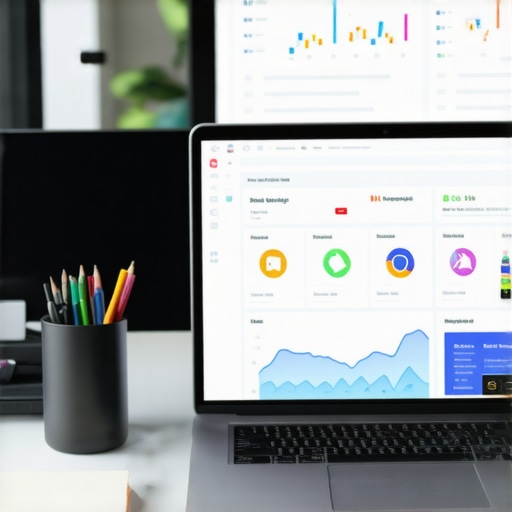
Understanding where your competitors succeed — and where they fail — informs your long-term strategy. Tools like SEMrush Local Advanced provide detailed insights into competitors’ backlinks, reviews, and keyword rankings specific to local searches. I routinely analyze this data, focusing on gaps that I can exploit, such as missed review opportunities or unoptimized profiles.
Employ Behavior Analytics for Pattern Discovery
Future-proof your strategy by monitoring behavioral signals. Google increasingly prioritizes user engagement. I use Hotjar on my website to analyze how visitors interact after finding my map listing, adjusting content and calls-to-action accordingly. This holistic approach helps reinforce signals Google uses to rank local businesses in 2026 and beyond.
To stay proactive, integrate these tools into your routine, and regularly review their data—it’s the backbone of ongoing success. Remember, regular maintenance isn’t just about tools; it’s about strategic adjustments based on fresh insights. Want a comprehensive guide to mastering these tactics? You can learn more in our Maps Optimization Course. Don’t wait—try implementing a weekly citation audit or competitor analysis today to see immediate impacts. The future of local SEO is all about continuous adaptation.
What I Wish I Knew When I Started Playing the Local SEO Game
One of the biggest lightbulb moments I experienced was realizing that relying solely on reviews and listings was like trying to sail a ship with a broken rudder. Genuine local authority, consistent behavioral signals, and strategic content creation are what truly move the needle. If I had understood this earlier, I would have invested more in building local partnerships and content that resonates with my community—these are the hidden keys to sustainable visibility.
Essential Tools That Keep Me Ahead in Local SEO
Over time, I’ve come to trust sophisticated tools like BrightLocal for citation auditing, GeoRanker for precise rank tracking, and SEMrush Local for competitor insights. These platforms are invaluable because they provide actionable data, allowing me to adapt my strategy swiftly. They’ve helped me uncover gaps and opportunities I might have otherwise missed, ensuring my efforts are always targeted and effective.
Embracing Change and Setting New Goals
The most important lesson I learned is that local SEO isn’t a set-it-and-forget-it process. The landscape constantly evolves, especially in 2026 with new behavior signals and algorithm updates. Staying curious, continuously learning, and refining your approach is the only way to stay on top. My advice? Dive into courses like Maps Optimization Course and commit to ongoing education—your future rankings depend on it.
What’s Your Next Move in the Local SEO Journey?
The future of local rankings demands agility, education, and strategic execution. Are you ready to go beyond reviews and listings? Are you prepared to invest in the tools and knowledge that will make your business visible in 2026 and beyond? Remember, the effort you put in today will determine your success tomorrow. So, tell me—what’s the one area in your local SEO strategy you’re eager to improve right now? Drop your thoughts below and let’s grow together!
,
![3 Ways to Learn Google Maps SEO and Fix Hidden Pins [2026]](https://localseocourseservice.com/wp-content/uploads/2026/03/3-Ways-to-Learn-Google-Maps-SEO-and-Fix-Hidden-Pins-2026.jpeg)